
By Lydia Kyle, Director of the Junior School
 Education is at its most powerful when it reaches beyond the classroom. Across the world, schools are increasingly recognising the value of place-based learning: using the local environment to enrich the curriculum, deepen understanding and inspire curiosity. Few locations exemplify this potential more clearly than the Albertopolis in South Kensington, London.
What is Albertopolis?
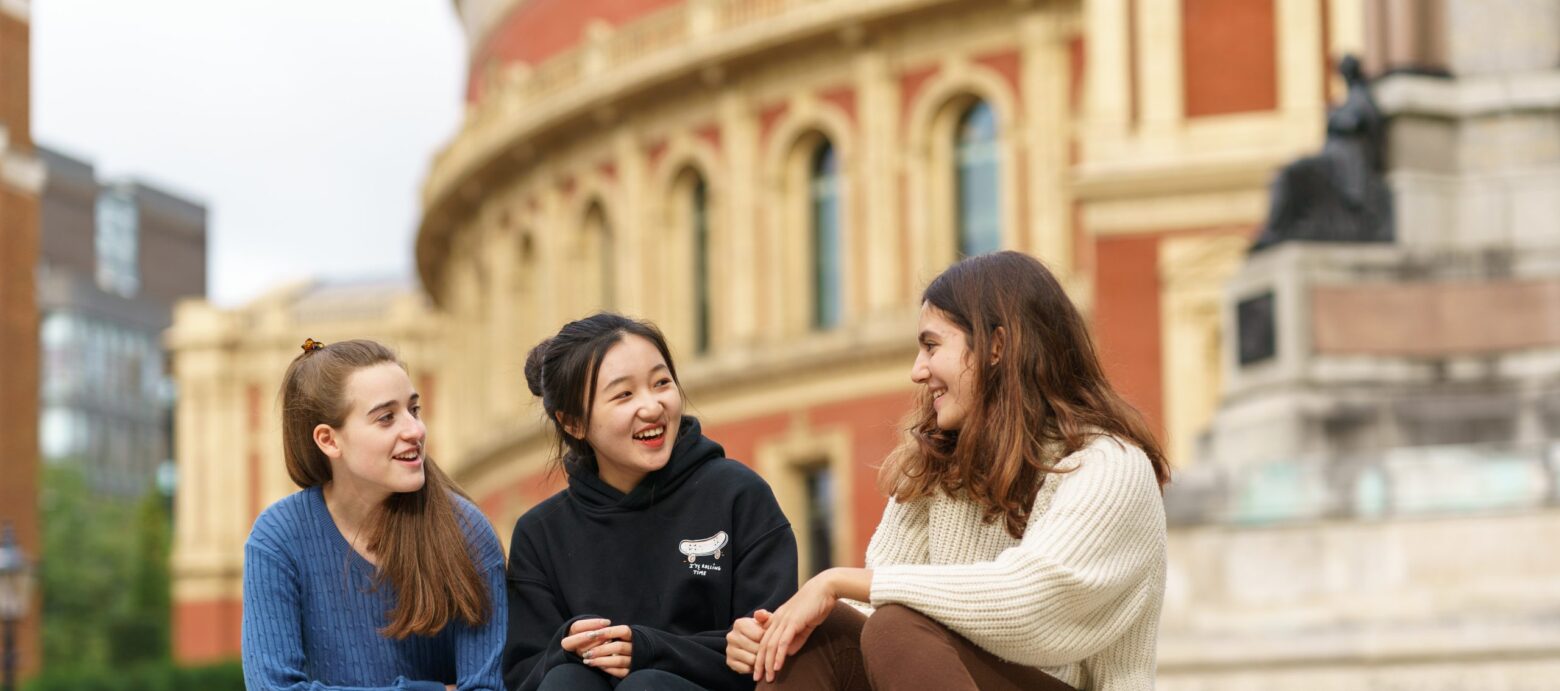
Albertopolis is the name given to the cultural quarter that emerged in the mid-19th century following the Great Exhibition of 1851. Championed by Prince Albert, the vision was ambitious and progressive: to create a hub where art, science, industry and education would coexist and be accessible to the public. The legacy of this vision is a remarkable concentration of institutions, including the Natural History Museum, the Victoria and Albert Museum, the Science Museum, the Royal Albert Hall and the Royal College of Music. Together, they represent an extraordinary, living archive of human knowledge and creativity.
Why local context matters in learning
Using the local area to support learning brings curriculum content to life. Abstract concepts become concrete when pupils can see, touch and experience them first-hand. Museum galleries can illuminate history and science in ways no textbook can, while concerts, exhibitions and public lectures expose pupils to professional excellence and real-world application.
Place-based learning also nurtures independence and cultural literacy. Pupils learn how to move through public spaces, engage respectfully with cultural institutions and make connections between different disciplines. Importantly, it helps children understand that learning is not something that happens only at school, but something embedded in the world around them.
Inspiring curiosity and lifelong learning
One of the greatest benefits of learning beyond the classroom is its impact on motivation. Regular exposure to inspiring environments encourages pupils to ask questions, follow interests and develop intellectual curiosity. Over time, this helps to instil a genuine love of learning — a mindset that extends far beyond formal education and into adult life.
Equally significant is the message it sends about access. When children grow up regularly visiting museums, galleries and cultural institutions, these spaces feel familiar rather than intimidating. They learn that such places belong to them, fostering confidence, aspiration and a sense of belonging within the wider cultural landscape.
Albertopolis in practice: the Queen’s Gate approach
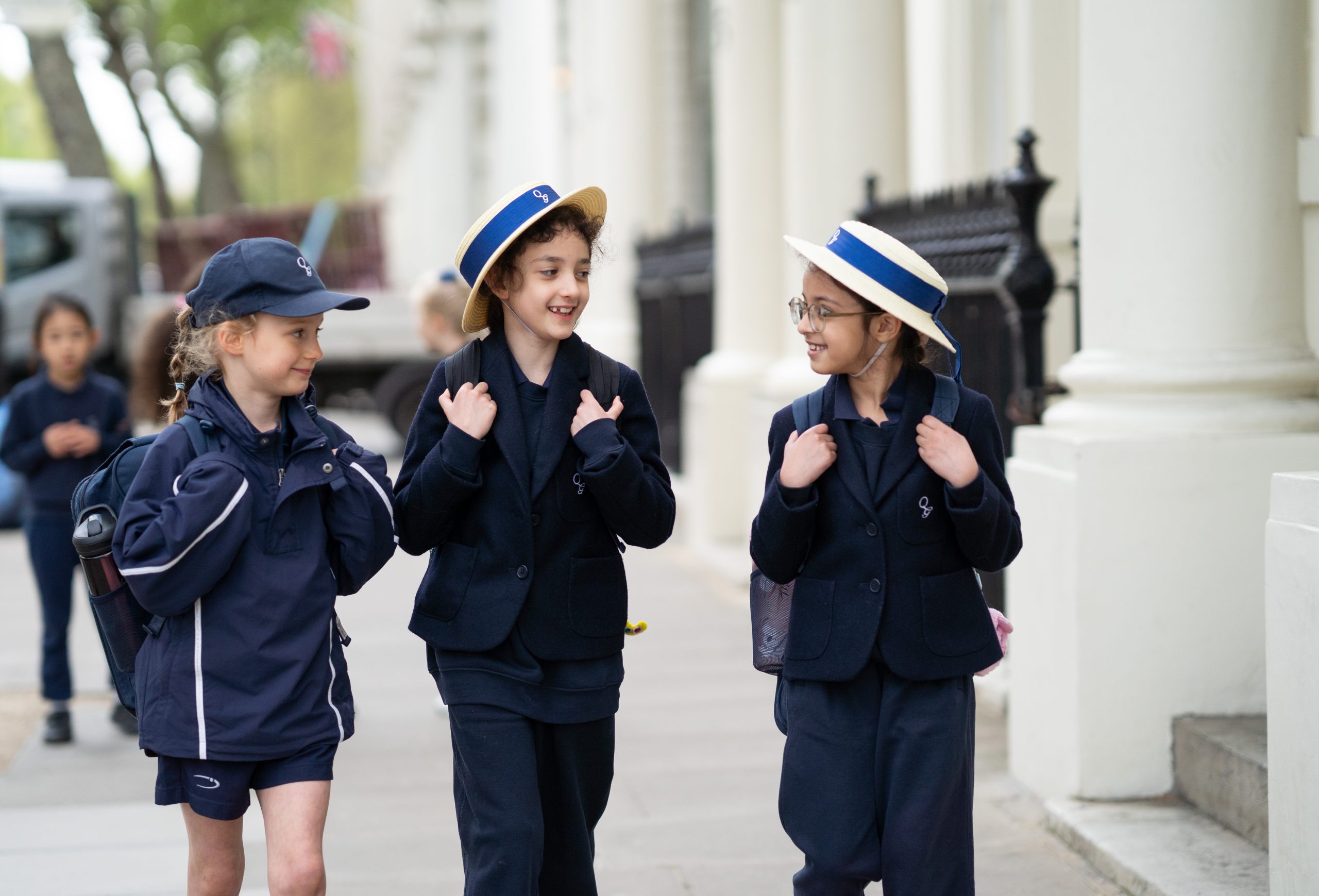
Situated at the heart of Albertopolis, Queen’s Gate School is uniquely placed to embed this philosophy into everyday teaching and learning. We have adopted the name “Albertopolis” to describe our Junior School super-curriculum, which actively encourages learning beyond the classroom through structured opportunities and independent exploration.
Alongside carefully planned visits that complement classroom learning, pupils engage in Quests and extension activities designed to stretch thinking and promote curiosity. They also have access to a comprehensive resource bank, organised into categories: watch, listen, visit, read and play, enabling pupils to pursue interests independently and make meaningful connections across subjects.
At Queen’s Gate, Albertopolis is not simply a geographical advantage; it is an educational mindset. By harnessing the richness of our local environment, we aim to nurture confident, curious learners who recognise the world around them as a powerful and ongoing source of learning.